
Cat Skin Allergies: Types and Signs to Look For
Cat skin allergies are a common condition in which a cat’s immune system overreacts to an allergen, triggering itching, skin inflammation, hair loss, and lesions. The four main types are flea allergy dermatitis, environmental allergies (atopy), food allergies, and contact allergies. Unlike dogs, cats often respond to skin irritation in subtle ways, making it easy to overlook early signs. A cat with skin allergies may itch, scratch, over-groom, or develop skin lesions, and in some cases, the signs progress significantly before an owner notices something is wrong. Understanding the types of cat skin allergies and the symptoms associated with each one gives you the knowledge to recognize when your cat needs veterinary attention.
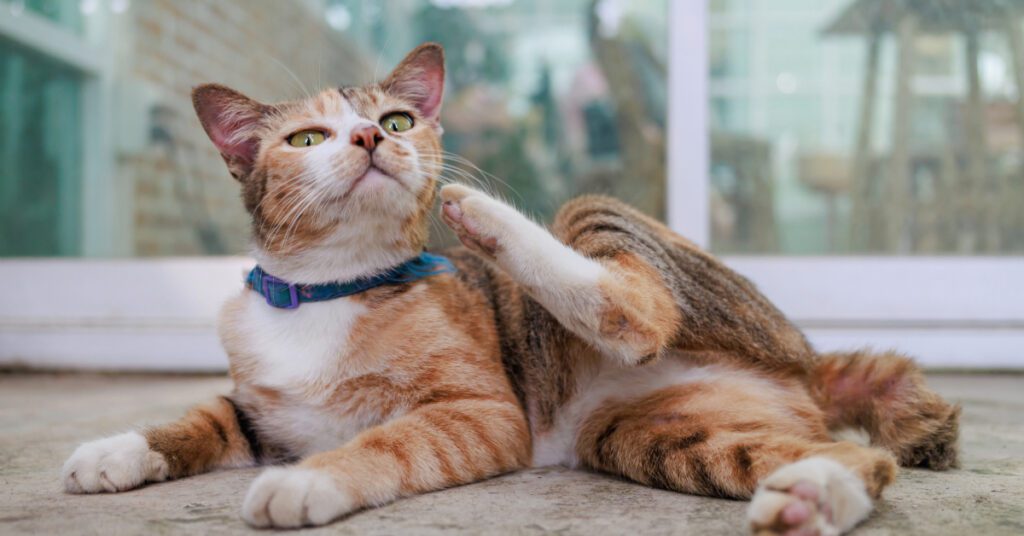
What Are Cat Skin Allergies?
Cat skin allergies, also called feline allergic dermatitis, occur when a cat’s immune system overreacts to a substance it has been exposed to. That substance, called an allergen, triggers an inflammatory response in the skin that causes itching, redness, and discomfort. Cat skin allergies are chronic conditions, meaning they tend to recur and often require ongoing management. They cannot be cured, but they can be effectively controlled with the right veterinary care.
What Are the Main Types of Cat Skin Allergies?
There are several distinct types of cat skin allergies, and each one is triggered by a different allergen. Identifying which type your cat has is an important part of developing an effective treatment plan.
Flea Allergy Dermatitis
Flea allergy dermatitis is the most common type of skin allergy in cats. It is caused not by the flea itself, but by proteins in flea saliva that trigger an intense immune reaction in sensitive cats. A single flea bite can cause a cat to itch for days or even weeks. You may notice your cat scratching furiously at the base of the tail, the lower back, or the neck, and hair loss or scabbing in those areas is also common. Flea allergy dermatitis is especially relevant in Florida, where fleas thrive year-round in the warm, humid climate.
Environmental Allergies (Atopy)
Environmental cat skin allergies, also known as feline atopy, are caused by inhaled or contacted allergens in the environment. Common triggers include pollen, dust mites, mold spores, and grass. In Bradenton, cats that spend time outdoors or near open windows may be exposed to a wide variety of seasonal and year-round allergens. Signs of environmental cat skin allergies often include facial itching, excessive grooming, and recurring skin inflammation. These allergies tend to be seasonal at first but may become year-round as sensitivity develops over time.
Food Allergies
Food allergies in cats can cause both gastrointestinal signs and skin reactions. When cat skin allergies are food-related, the cat typically develops itching around the head, neck, and ears, along with possible facial swelling and skin lesions. Common food allergens include beef, fish, chicken, and dairy. Unlike environmental allergies, food-related cat skin allergies are not seasonal and occur consistently regardless of the time of year.
Contact Allergies
Contact allergies are less common in cats but do occur when the skin is directly exposed to an irritating substance. Certain cleaning products, fabrics, plastics, or topical products can trigger a localized reaction. The signs of contact cat skin allergies typically appear in the areas that came into direct contact with the allergen, such as the chin, belly, or paws.
What Are the Signs of Cat Skin Allergies?
The signs of cat skin allergies can vary depending on the type and severity, but there are several key symptoms that commonly point to an allergic condition affecting the skin.
- Excessive scratching, licking, or chewing at the skin, paws, face, or ears
- Hair loss or thinning fur, particularly at the base of the tail, belly, or behind the ears
- Redness, inflammation, or hot spots on the skin
- Scabs, crusts, or small raised bumps that may be clustered along the back or neck
- Miliary dermatitis, which refers to a pattern of tiny crusty lesions distributed over the body that feel like millet seeds under the fur
- Symmetrical hair loss caused by over-grooming, most often on the belly, inner thighs, or flanks
- Recurrent ear infections or head shaking, which can signal an allergic component affecting the ear canals
How Do Vets Diagnose Feline Skin Allergies?
Diagnosing cat skin allergies requires a thorough veterinary workup. Your veterinarian will start with a detailed history, asking questions about your cat’s diet, environment, lifestyle, and when symptoms first appeared. A physical exam will assess the skin lesion pattern, coat condition, and any signs of secondary infection.
Ruling Out Other Conditions
Before a diagnosis of feline allergic dermatitis is confirmed, other conditions that mimic cat skin allergies must be ruled out. Ringworm, mange, bacterial infections, and parasitic infestations can all produce similar signs. Skin scrapings, fungal cultures, and cytology are often part of the diagnostic process.
Allergy Testing and Elimination Diets
For environmental cat skin allergies, intradermal allergy testing or serum allergy testing may be recommended to identify specific triggers. For suspected food allergies, a strict dietary elimination trial is the most reliable diagnostic method. During a food trial, your cat eats a novel protein or hydrolyzed diet for a minimum of eight to twelve weeks to see whether signs improve.
Can Cat Skin Allergies Cause Secondary Infections?
One complication that often accompanies cat skin allergies is secondary infection. When cats scratch and chew at irritated skin, they create openings for bacteria and yeast to take hold. Bacterial pyoderma and Malassezia (yeast) infections are common secondary conditions that make allergic skin disease more severe and more uncomfortable. Treating the infection alongside the underlying allergy is an important part of managing feline allergic dermatitis effectively.
How Are Cat Skin Allergies Managed Long-Term?
Because cat skin allergies are chronic conditions, management is an ongoing process rather than a one-time fix. Your veterinarian may recommend a combination of approaches depending on the type and severity of your cat’s allergies.
- Flea prevention: For cats with flea allergy dermatitis, consistent, year-round flea control is essential. Treating all pets in the household and the home environment is critical for success.
- Environmental management: Reducing exposure to known allergens, using air purifiers, and washing bedding regularly can help minimize flare-ups in cats with environmental allergies.
- Dietary management: Cats diagnosed with food allergies are managed with a strict long-term diet that avoids their identified allergens.
When Should You Call Your Veterinarian About Cat Skin Allergies?
Cat skin allergies don’t resolve on their own, and they tend to worsen without appropriate management. If your cat is scratching excessively, losing fur, developing skin lesions, or showing signs of discomfort that don’t have an obvious cause, a veterinary visit is the right next step. The team at Keystone Animal Hospital in Bradenton is experienced in diagnosing and managing all types of cat skin allergies. Early intervention leads to better outcomes and a more comfortable life for your cat. Call us today at (941) 741-8445 to schedule an appointment and get your cat the relief they deserve.