Why is My Dog Limping and Licking Its Paw?
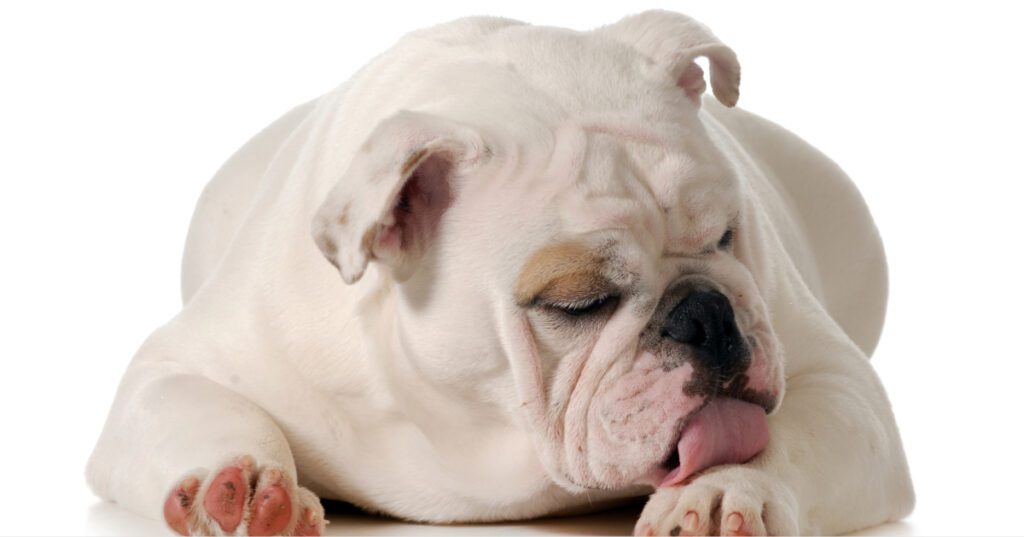
A dog limping and licking its paw is doing exactly what dogs do when something hurts: drawing your attention to the problem and trying to soothe it at the same time. This combination of behaviors typically signals that pain, irritation, or injury is present in or around the paw, and it’s one of the most common reasons pet owners reach out to their veterinarian. The causes can range from something as straightforward as a thorn stuck between the toes to conditions like allergies, nail injuries, or joint problems that need professional care. If your dog is limping and licking its paw and you’re not sure what’s behind it, this guide covers everything, from the most likely culprits to the signs that mean it’s time to make that vet appointment.
Common Reasons a Dog Limps and Licks Its Paw
When a dog limps and licks its paw at the same time, it usually means the source of the problem is in or around the paw itself. Dogs use licking as a self-soothing response to pain, itchiness, or irritation, and the limping tells you that something is affecting their ability to walk comfortably. Together, these behaviors point your veterinarian toward a focused examination of the affected leg and paw.
Something Is Stuck in the Paw
One of the most frequent causes of a dog limping and licking its paw is a foreign object lodged in the paw pad or between the toes. Thorns, splinters, glass fragments, gravel, and grass awns are all common culprits, especially in Florida where dogs spend a lot of time outdoors. These objects cause immediate pain and persistent irritation, which is why your dog instinctively licks the area. Even a small piece of debris can cause significant discomfort and, if left unaddressed, can migrate deeper into the tissue and lead to infection.
Paw Pad Injuries
Florida’s hot pavement, shell-covered beaches, and rough terrain can be tough on dog paw pads. Cuts, abrasions, cracked pads, and burns from hot surfaces are all painful paw pad injuries that can cause your dog to limp and lick the affected area. You may also notice redness, swelling, or visible damage when you gently examine the paw. Any time there’s an open wound on a paw, the risk of infection increases because of how much contact the paw makes with the ground.
Allergies and Skin Irritation
Allergic reactions are a very common reason dogs lick their paws obsessively, and the inflammation can make the paw uncomfortable enough to cause limping. Environmental allergens like grass, pollen, and mold are especially prevalent in the Bradenton area. Contact allergies from lawn chemicals or certain outdoor surfaces can also trigger paw licking. You might notice reddish-brown staining of the fur between the toes from prolonged licking, a telltale sign that allergies may be driving the behavior.
Nail Problems
A broken, cracked, or overgrown nail can be surprisingly painful for dogs. If your dog has a torn nail, you may see bleeding or notice the nail hanging at an unusual angle. An ingrown nail can press into the paw pad and cause your dog to limp and lick at the area continuously. Nail infections are another possibility, particularly if you notice swelling, discharge, or a foul odor near the nail bed.
Insect Stings and Bites
A bee sting, ant bite, or spider bite to the paw can cause sudden limping and frantic licking. In Florida, fire ant encounters are particularly common and can cause intense pain and swelling in the paw. These reactions can come on very quickly, and your dog may go from walking normally to limping within minutes. Insect bites can also trigger allergic reactions, so watch for additional signs like facial swelling, hives, or difficulty breathing, which would require immediate veterinary attention.
Signs That Warrant a Veterinary Visit
Not every instance of a dog limping and licking its paw is a medical emergency, but some situations do call for prompt veterinary care. Knowing when to call your vet can make a real difference in your dog’s recovery.
- Your dog is placing no weight at all on the affected leg
- There is visible swelling, redness, or discharge around the paw or leg
- You notice a wound, puncture, or foreign object you cannot safely identify
- Your dog is licking the paw so aggressively that the skin is becoming raw or bleeding
- The limping has lasted more than 24 to 48 hours without improvement
- Your dog seems to be in significant pain, is whimpering, or becomes defensive when you approach the paw
- You see signs of infection such as warmth, odor, or discharge near the nail or paw pad
When in doubt, it is always better to have the paw evaluated by your veterinarian. Dogs are instinctively skilled at masking pain, which means that by the time they’re clearly limping and licking, the problem has often been bothering them for some time.
Could the Problem Be Higher Up the Leg?
While licking the paw often points to a local issue, dogs sometimes lick a paw because of pain or discomfort that originates higher in the leg, in a joint, or even in the spine. This is known as referred discomfort, and it can make diagnosis trickier without a thorough examination.
Joint and Orthopedic Causes
Arthritis, ligament injuries, and hip or elbow dysplasia can all cause a dog to limp. If paw licking accompanies these conditions, it may reflect generalized discomfort rather than a paw-specific problem. Large and medium breeds are particularly prone to orthopedic issues, and Florida’s active outdoor lifestyle means dogs are often running and playing on surfaces that can aggravate joint problems over time.
Nerve-Related Discomfort
Nerve compression or injury in the spine can cause tingling, weakness, or discomfort that dogs express through paw licking. This is less common but important to consider when there’s no obvious physical cause in the paw itself. A thorough veterinary exam can help rule out neurological contributors to your dog’s limping and licking behavior.
What Your Veterinarian Will Look For
When you bring your dog in for limping and paw licking, your veterinarian will conduct a hands-on physical examination of the paw, nails, pad, and leg. They’ll assess your dog’s gait, feel for swelling or heat, look for foreign bodies or wounds, and evaluate the range of motion in the joints. In some cases, X-rays may be recommended to rule out fractures or joint disease, or skin testing and cytology to identify infections or allergy-related changes in the paw tissue.
The goal of this evaluation is to pinpoint the exact cause so treatment can be targeted and effective. Because dog paw licking and limping can stem from many different causes, a proper diagnosis is essential to getting your dog real relief.
Conditions That Look Similar but Require Specific Care
Several conditions can produce overlapping signs that look like simple paw irritation but are actually more complex issues requiring veterinary management.
- Interdigital cysts: These are fluid-filled or inflamed nodules that form between the toes, often causing significant limping and paw licking. They can be painful to the touch and may rupture if left untreated.
- Pododermatitis: This is inflammation of the skin of the paw, which can result from bacterial or fungal infections, allergies, or autoimmune conditions. Dogs with pododermatitis frequently lick their paws and may limp when inflammation becomes severe.
- Lick granuloma: When a dog licks the same spot repeatedly over time, a thickened, ulcerated skin lesion can develop. These often require veterinary management to break the cycle of irritation and licking.
Protecting Your Dog’s Paws in the Bradenton Area
Bradenton’s warm climate and outdoor-friendly environment are wonderful for dogs, but they come with paw-specific challenges. Hot pavement during summer months can burn paw pads quickly, and the abundance of insects, plant material, and environmental allergens means paw issues are something local pet owners encounter regularly.
Routine paw inspections after walks, regular nail trims, and awareness of your dog’s normal behavior can all help you catch problems early. If your dog walks on treated lawns or near bodies of water, rinsing their paws afterward can reduce contact with irritants and environmental bacteria.
Get Your Dog Back on All Four Feet
A dog limping and licking its paw is not something to brush off or wait out indefinitely. Whether the cause is a splinter, an allergy, a nail injury, or something more complex, your dog deserves a proper evaluation and the right care. The team at Keystone Animal Hospital in Bradenton is experienced in diagnosing and treating the full range of causes behind dog paw licking and limping. Give us a call at (941) 741-8445 or request an appointment whenever you have concerns about your dog’s paw health.