
Our Veterinary Blog

The most common house allergens that affect dogs are dust mites, mold spores, pollen tracked indoors, dander from other pets, and chemicals found in cleaning products and air fresheners. These substances can trigger an immune overreaction that shows up as itchy skin, paw licking, ear infections, and red, irritated eyes. Unlike flea or food allergies,…

Cat overgrooming is usually a sign of itchy skin, with allergies to fleas, food, or environmental triggers being the most common cause. Pain, skin infections, parasites, and stress can also push a cat to lick, chew, or pull out its fur far more than normal. Because the behavior looks the same no matter what triggers…
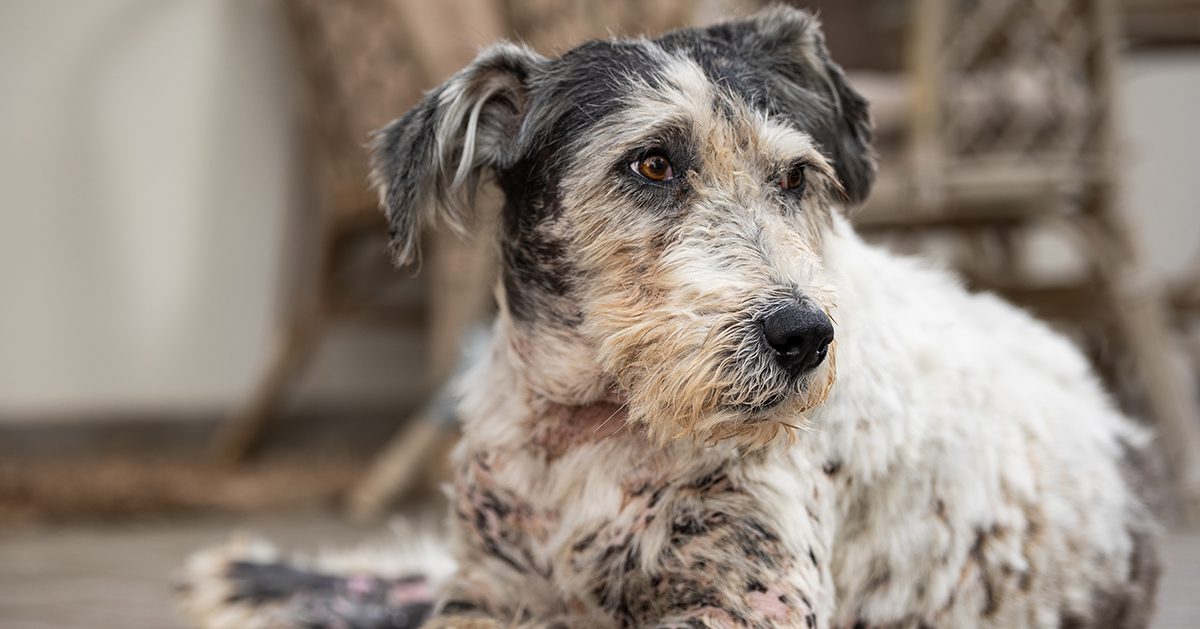
Flea allergy dermatitis in dogs and cats is an allergic skin reaction to proteins in flea saliva, and a single bite can trigger days of intense itching, redness, and hair loss in a sensitive pet. It ranks among the most common skin conditions veterinarians treat. The best approach combines veterinary care to calm the skin…
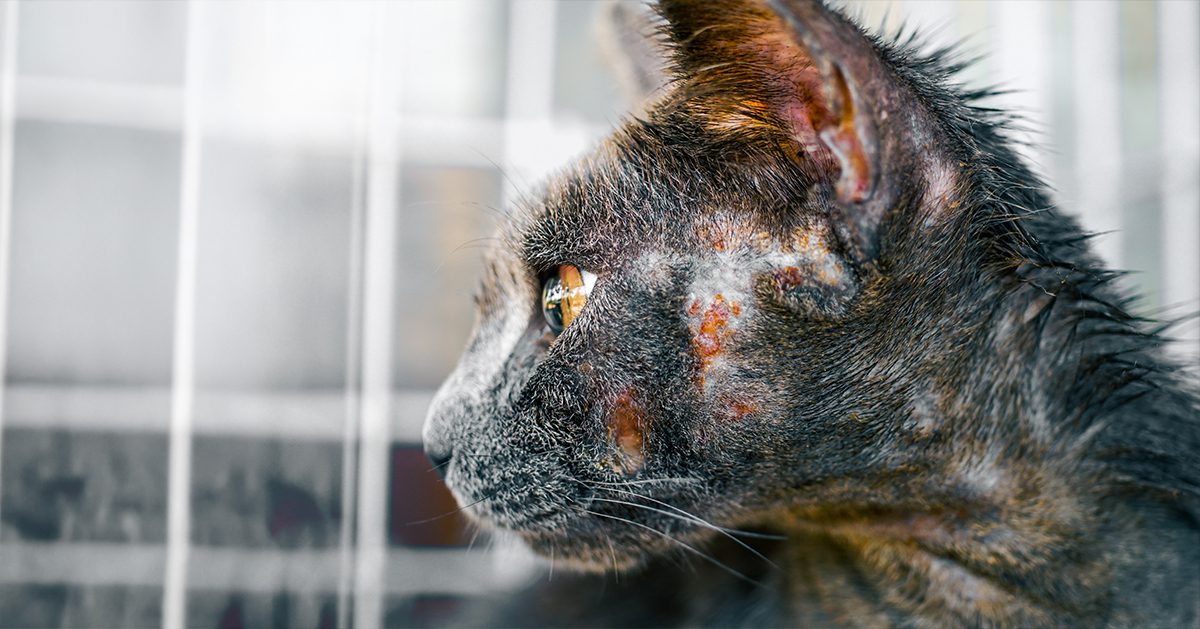
When a cat has scabs around the neck and face, the most likely cause is an allergic reaction, with flea allergies at the top of the list, followed by food and environmental allergies. Other possible causes include ear mites, fungal infections like ringworm, bite wounds from other cats, stress-related overgrooming, and, less often, sun damage…

Cat food allergies are a real and often frustrating challenge for pet owners. Unlike food intolerances that cause primarily digestive upset, true food allergies in cats involve an immune response to one or more ingredients in the diet, and the symptoms can range from itchy skin to chronic vomiting. If your cat seems chronically uncomfortable…

Flea prevention in cats isn’t just about avoiding an itchy nuisance, it’s an important part of your cat’s overall health. Fleas can cause serious discomfort, transmit diseases, and lead to secondary skin conditions if left untreated. Whether your cat lives strictly indoors or ventures outside, understanding how cats get fleas and how to prevent and…
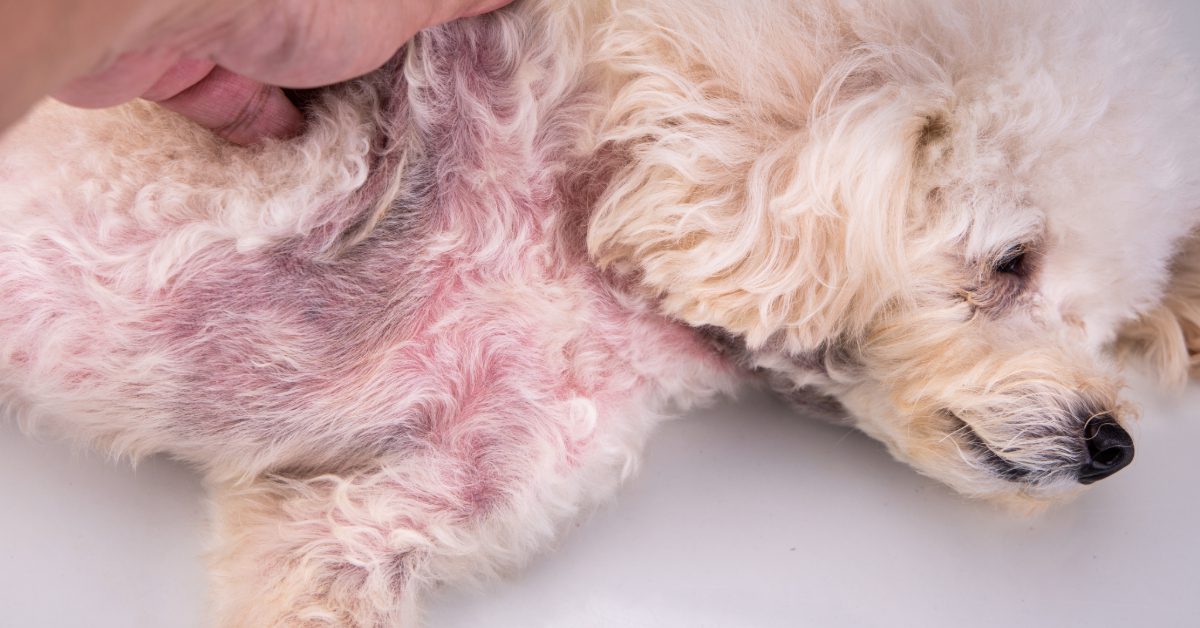
Red, irritated skin on your dog is often a sign that something is wrong. Dog skin redness can result from allergies, infections, parasites, or environmental irritants, and the sooner it’s addressed, the more comfortable your pet will be. If you’ve been asking yourself, “Why is my dog’s skin red?”, this guide will help you understand…
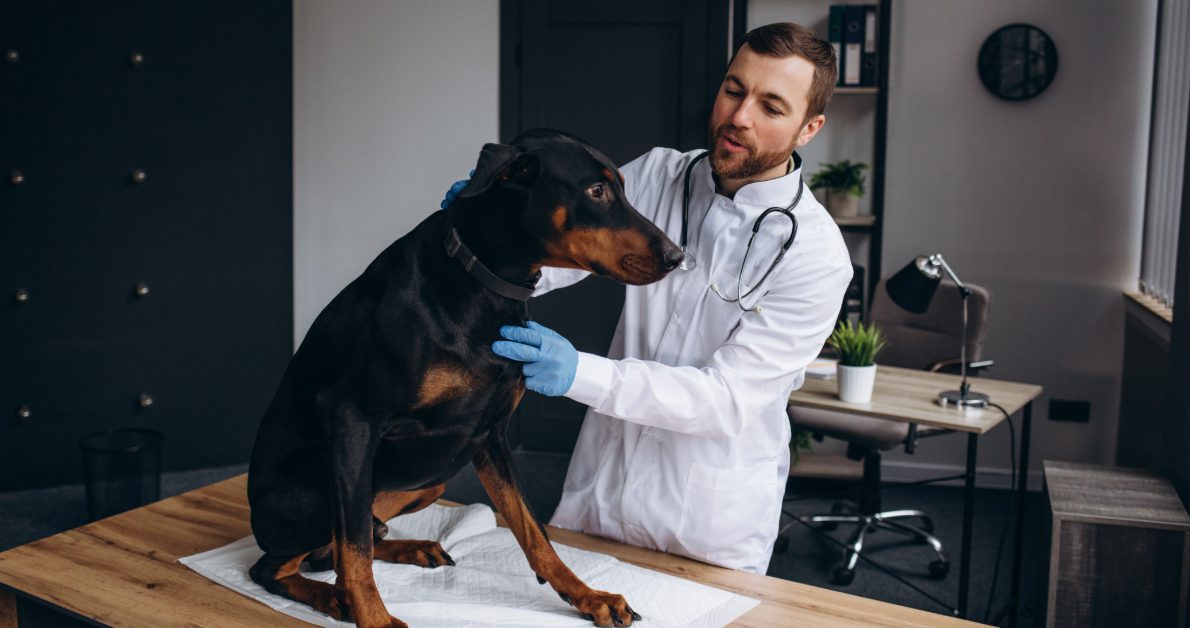
If you’ve noticed raised, puffy welts on your dog’s skin, your dog likely has hives. Dog hives, medically called urticaria, are a common allergic reaction that causes localized swelling and itching on the skin. While they can look alarming, hives on dogs are often manageable with prompt veterinary care. Knowing what to look for, what…
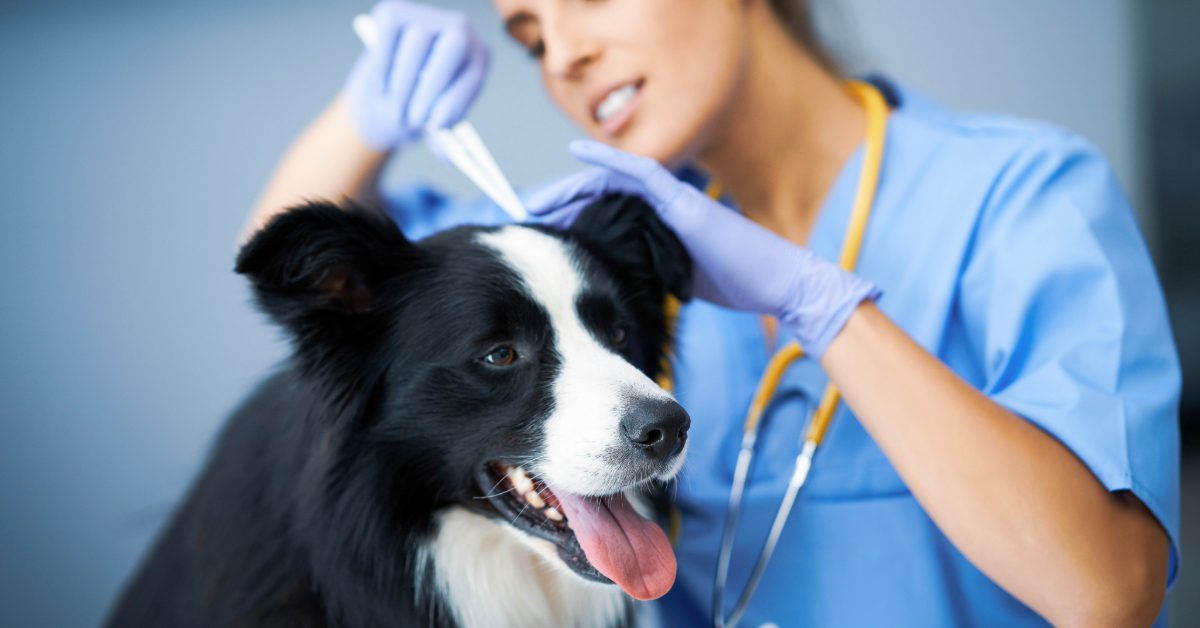
Knowing how to safely remove a tick from your dog is one of the most practical skills a pet owner can have, especially in Florida where ticks are active year-round. To safely remove a tick from your dog, use fine-tipped tweezers to grasp the tick as close to the skin as possible, then pull upward…

Spaying a dog means surgically removing her ovaries and uterus, and it’s one of the most impactful health decisions you can make for a female dog’s long-term wellbeing. The benefits extend well beyond preventing unwanted litters. Spaying significantly reduces the risk of life-threatening conditions like pyometra and mammary tumors, eliminates the physical and behavioral disruptions…