
Dog Hives: What Causes Them and How They Are Treated
If you’ve noticed raised, puffy welts on your dog’s skin, your dog likely has hives. Dog hives, medically called urticaria, are a common allergic reaction that causes localized swelling and itching on the skin. While they can look alarming, hives on dogs are often manageable with prompt veterinary care. Knowing what to look for, what triggers them, and when to act can make all the difference for your pet’s comfort and safety.
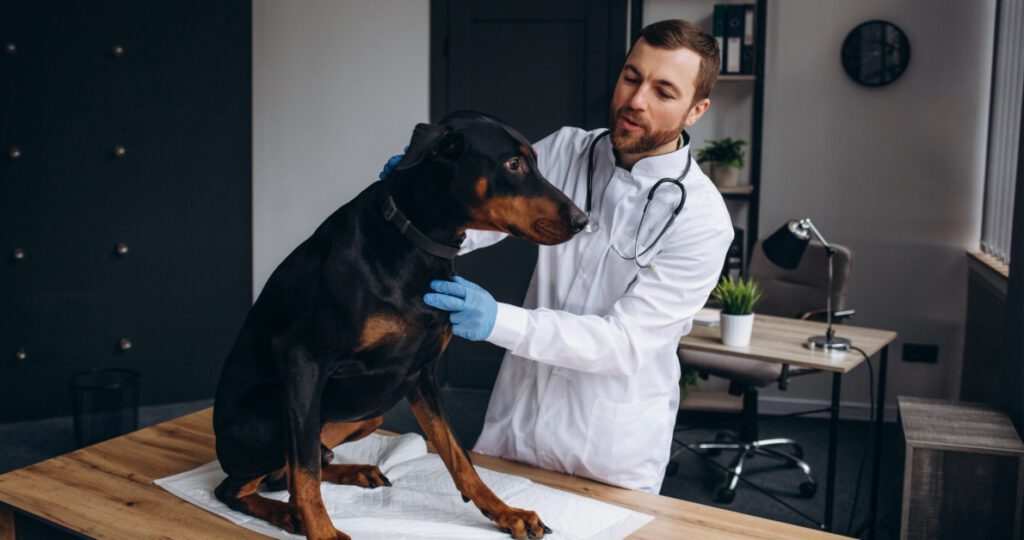
What Do Dog Hives Look Like?
Dog hives typically appear as round, raised bumps or welts on the skin. They can develop suddenly, sometimes within minutes of exposure to a trigger, and may appear anywhere on the body. In dogs with thicker coats, you may feel the bumps before you see them. In short-haired dogs, the welts are more visible and easier to identify.
Common signs that your dog has hives include:
- Raised, firm bumps or welts scattered across the skin
- Redness or pinkish discoloration around the affected area
- Intense itching, scratching, or rubbing against surfaces
- Swollen face, especially around the eyes, muzzle, or ears
- Restlessness or visible discomfort
It’s important to distinguish hives in dogs from other skin conditions like hot spots, mange, or insect bites. Hives tend to appear and spread rapidly and are typically accompanied by significant itching. If you’re unsure whether what you’re seeing is dog hives or something else, your veterinarian at Keystone Animal Hospital can evaluate the skin and confirm the diagnosis.
Are Hives on Dogs Serious?
Hives on dogs are not always a medical emergency, but they should never be ignored. In many cases, dog hives are mild and will begin to resolve once the offending trigger is removed. However, hives can sometimes be a sign of a more severe allergic reaction that requires immediate veterinary attention.
When Hives Become an Emergency
If your dog develops hives alongside any of the following symptoms, treat it as an emergency and contact your veterinarian right away:
- Difficulty breathing or wheezing
- Severe facial swelling, particularly around the throat
- Vomiting or diarrhea
- Collapse or extreme lethargy
- Pale gums
These can be signs of anaphylaxis, which is a life-threatening systemic allergic reaction. Dog hives that progress to anaphylaxis require emergency treatment without delay. Our team at Keystone Animal Hospital in Bradenton, FL is experienced in managing allergic reactions and can help stabilize your pet quickly.
How Do Dogs Get Hives?
Dog hives develop when the immune system overreacts to something it perceives as a threat. This triggers the release of histamine and other chemicals that cause swelling, redness, and itching in the skin. There are many potential causes of hives in dogs, and identifying the trigger is an essential part of treatment and prevention.
Common Triggers for Dog Hives
Some of the most frequent causes of hives on dogs include:
- Insect stings or bites: Bee stings, wasp stings, and ant bites are common culprits behind sudden hive outbreaks in dogs.
- Vaccines or medications: Some dogs develop hives as a reaction to vaccines, antibiotics, or other medications. This type of reaction usually appears within hours of administration.
- Foods: Certain ingredients in dog food or treats can trigger an allergic response that includes hives.
- Environmental allergens: Pollen, mold, grass, and other environmental substances can cause allergic hives in dogs, especially during certain seasons.
- Topical products: Shampoos, flea treatments, cleaning products, or grooming sprays applied directly to the coat or skin can irritate sensitive dogs.
- Contact with plants: Brushing against poison ivy, poison oak, or other irritating plants may trigger hives in dogs.
What Does the Treatment for Hives in Dogs Look Like?
Treatment for hives in dogs depends on the severity of the reaction and the suspected cause. In mild cases, removing the dog from the triggering environment and monitoring closely may be all that’s needed. However, veterinary care is typically recommended to prevent the reaction from worsening and to relieve your dog’s discomfort as quickly as possible.
Veterinary Treatments for Dog Hives
When you bring your dog to Keystone Animal Hospital for hives, our veterinary team will assess the severity of the reaction and determine the most appropriate course of action. Treatment options may include:
- Antihistamines: These medications help block the histamine response that causes swelling and itching. They are often the first line of treatment for mild to moderate hives in dogs.
- Corticosteroids: In more significant reactions, corticosteroids may be prescribed to quickly reduce inflammation and bring the allergic response under control.
- Epinephrine: In cases of severe anaphylaxis, epinephrine may be administered to stabilize the dog and counteract the systemic reaction.
- Supportive care: IV fluids, oxygen, and monitoring may be needed for dogs experiencing serious reactions.
Identifying and eliminating the underlying cause of dog hives is just as important as treating the immediate reaction. Your vet may recommend allergy testing, a dietary elimination trial, or changes to grooming products to help prevent future outbreaks of hives on dogs.
Protecting Your Dog from Future Hive Outbreaks
Once your dog has experienced hives, working to prevent future reactions is important. Collaborate closely with your veterinarian to identify known triggers and build a personalized management plan. If your dog is prone to allergic reactions, your vet may recommend keeping antihistamines on hand or developing an emergency action plan for severe reactions.
At Keystone Animal Hospital in Bradenton, FL, our veterinary team is experienced in diagnosing and managing allergic skin conditions in dogs. If your dog is showing signs of hives or has a history of allergic reactions, call (941) 741-8445 today or request an appointment. Early intervention helps keep your dog comfortable and reduces the risk of a more serious reaction in the future.
Frequently Asked Questions About Dog Hives
Can stress or anxiety cause hives in dogs?
Stress and anxiety don’t directly cause hives in dogs the way allergens do, but they can affect immune function and may lower the threshold for an allergic response in sensitive dogs. If your dog develops hives without a clear trigger, it’s worth discussing behavioral or emotional stressors with your veterinarian.
How long do hives typically last in dogs?
Dog hives often resolve within 24 to 48 hours once the trigger is removed and treatment is provided. In some cases, especially without veterinary intervention, hives can persist longer or worsen. Prompt treatment typically shortens the duration and reduces your dog’s discomfort.
Why did my dog suddenly break out in hives overnight?
Overnight hive outbreaks are often caused by something your dog was exposed to during the day such as a new food, a topical product, an insect sting, or contact with a plant or chemical. The allergic response can be delayed by several hours, which is why hives may appear later than expected. Your veterinarian can help identify the likely trigger based on your dog’s recent activities and exposures.
Are dog hives an emergency or can they go away on their own?
Mild hives on dogs may resolve on their own once the trigger is removed, but veterinary evaluation is still recommended to rule out a more serious reaction. Hives accompanied by facial swelling, vomiting, difficulty breathing, or collapse are a medical emergency and require immediate care. When in doubt, contact your veterinarian at Keystone Animal Hospital right away.